
A practical path to reducing clinician burden is using ambient AI to capture documentation, allowing nurses to spend more time with patients.
In this episode, Gregg Springan, a nurse executive at Epic, discusses how his ICU background and “listen first” leadership philosophy shape technology designs that serve real clinical workflows. He explains why nurses belong inside health tech companies, then contrasts large-enterprise execution with startup speed from his time in robotics. Gregg dives into the documentation burden problem and what’s actually working in 2026: “nursing out loud” as a workflow shift, inpatient ambient documentation adoption, early results like minutes saved per shift, patient opt-in rates, and improved clinician sentiment. He also breaks down predictive analytics using large-scale de-identified data to inform bedside decisions and clarifies agentic AI—what it is, where it’s safe, and how it can offload administrative work while keeping humans in the loop.
Tune in and learn how AI can return time to care teams without sacrificing safety, trust, or human connection!
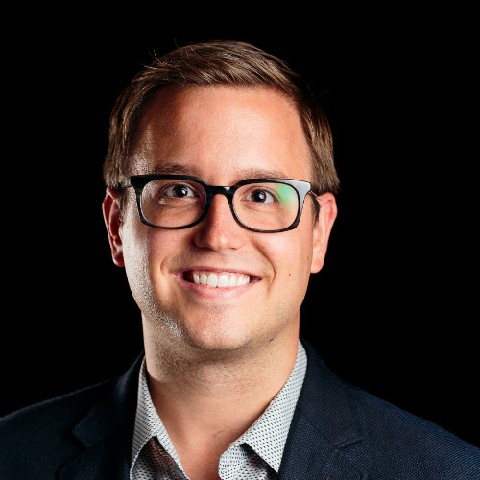
Gregg Springan, MSN, RN, is Vice President of Clinical Informatics at Epic (Verona, WI). In his role at Epic, he leads teams focused on the intersection of technology and clinical practice with an emphasis on user experience, ensuring that the product meets the unique needs of clinical settings. His areas of focus include electronic health records, efficiency, AI in clinical practice, improving the end-user experience, and care team wellbeing.
As a critical care nurse turned industry partner, Springan has been a career-long advocate for introducing and embedding clinical expertise into healthcare companies with a goal of reducing clinician burden, giving clinicians time back with patients, and bringing joy to their practice.
He previously served on the executive leadership team at Diligent Robotics, an AI and robotics startup based in Austin, TX. He earned his Master of Science in Nursing from Loyola University Chicago (Chicago, IL) and a Bachelor of Science in Nursing from the University of Mary (Bismarck, ND), where he was also a Harold Schafer Leadership Academy scholar.



 Back
Back
"I'd like to I'd like to posit, maybe five years from now, we will have nurses that walk into a patient's room, and they never put their hands on a keyboard again."