
Real progress in healthcare tech happens when nurses co-design the tools and the how is treated as seriously as the what.
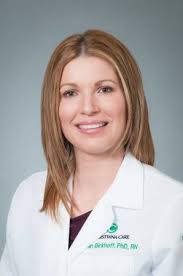
In this episode, Dr. Susan D. Smith, Director of Technology Research and Education at ChristianaCare and a nursing technology researcher, discusses how she moved from pediatric critical care into practice-based research and helped launch collaborative robots in a complex hospital environment. She shares what worked, including simple usability and clear value for routine deliveries, and what surprised her team, such as low demand for a nurse-facing robot call option when staff needed items immediately. Dr. Smith breaks down why missing pieces like reliable timing, visibility into when help is arriving, and workflows that pair equipment with medications can derail adoption even when the tech functions as designed. She also explains how a robotics-focused nursing research fellowship improved engagement and well-being, plus her statewide work building research capacity through NIH programs and a research-matching platform that connects mentors and collaborators.
Tune in and learn how to move from big ideas to sustainable, nurse-led implementation!
About Susan D Smith:
With a career spanning clinical care, research, education, and innovation, Susan D. Smith, PhD, RN, has made transformative contributions to healthcare and nursing. As the Director of Technology Research & Education at Christiana Care Health System, Dr. Smith leads and supports interprofessional research mentorship and serves as the Principal Investigator for the robotics research program. She is the architect of the nation’s first nursing research fellowship in robotics and innovation. This groundbreaking program not only empowers clinical nurses to serve as co-investigators but also fosters a culture of inquiry, innovation, and workforce retention. Across Delaware, Dr. Smith serves as the Christiana Care site Principal Investigator for the Delaware INBRE program and as the Christiana Care representative for Delaware’s CTR-ACCEL’s Professional Development Core. In these statewide leadership roles, Dr. Smith leads and supports the strategic direction to build research capacity in collaboration with three academic institutions and a pediatric healthcare system.
Things You’ll Learn:
Resources:
https://christianacare.org/us/en/for-health-professionals/nursing/nurse-led-innovation



 Back
Back
"Really demonstrating that nurses are the ideal partners to advance this work and incredibly important to make sure that they are, you know, not even at the table. They are your co-designer to make this work, make this happen. So really demonstrating that nurses are the ideal partners for this work. And truly, you know, nothing for us without us. That is the key component there. "