
Nursing, technology, and health equity collide!
In this episode of the Smart Care Team Spotlight, Dylan Wallace, Family Nurse Practitioner at MedStar Medical Group, discusses the evolving role of nurses in leveraging technology to enhance patient care. She shares her journey from ER nurse to nurse practitioner, highlighting her work with underserved populations and her passion for health equity. Dylan discusses how telemedicine, remote monitoring, and AI can enhance patient engagement while emphasizing the need for nurses to be involved in designing and implementing these tools. She also offers insights for nursing students and early-career nurses, encouraging them to focus on experiences, fundamentals, and critical thinking.
Tune in and discover how nursing expertise is shaping the future of patient-centered healthcare!
About Dylan Wallace:
Dylan Wallace is an experienced Nurse Practitioner currently working in primary care and urgent care settings in the D.C. metro area. From 2022 to 2024, she worked directly with Nursing Leadership and Hospital Medicine to open the Clinical Decision Unit at Georgetown Hospital.
Prior to D.C., she worked at the Hospital of the University of Pennsylvania in the Emergency Observation Unit as a Nurse Practitioner. Before becoming a Nurse Practitioner, she spent several years as an Emergency Department Nurse, including through the COVID-19 pandemic. While working in the Emergency Department, she volunteered at Puentes de Salud, a clinic serving the uninsured Latinx community of Philadelphia.
Additionally, Dylan has served as an adjunct clinical instructor at Villanova University for its Introduction to Nursing Practice course. Prior to Philadelphia, she lived in NYC, working as an Emergency Department Nurse at NewYork-Presbyterian Hospital, where she also served as a certified sexual assault nurse examiner.
She graduated from Villanova University in 2019 with a Master of Science in Nursing, following her 2013 completion of a Bachelor of Science in Nursing. Prior to attending Villanova University, she earned a Bachelor of Arts in Sociology with a minor in Spanish from Clemson University in 2011.
Dylan is passionate about health equity. She is hopeful that growing technologies can help improve healthcare access, but she believes Nursing needs to remain at the heart of the solutions.
Things You’ll Learn:
Non-linear career paths, like Dylan’s transition from sociology to nursing, provide valuable skills that enhance clinical judgment and cultural competence.
Hands-on experience in emergency and primary care is essential for developing strong clinical skills and patient-centered care practices.
Telemedicine, remote monitoring, and AI can improve patient engagement and care efficiency when nurses are actively involved in their design and implementation.
AI tools, such as scribe technology, reduce documentation burdens and enable more meaningful patient interactions; however, nurses must ensure data accuracy and patient understanding.
Nursing students and early-career nurses should prioritize clinical fundamentals, real-world experiences, and critical thinking over grades alone.
Health equity must guide the use of technology and care strategies, considering access, literacy, and social determinants that affect underserved populations.
Nurses’ frontline perspective as educators, advocates, and patient liaisons is critical to making healthcare technologies practical, safe, and effective.
Resources:
Connect with and follow Dylan Wallace on LinkedIn.
Follow MedStar Health on LinkedIn and visit their website!



 Back
Back
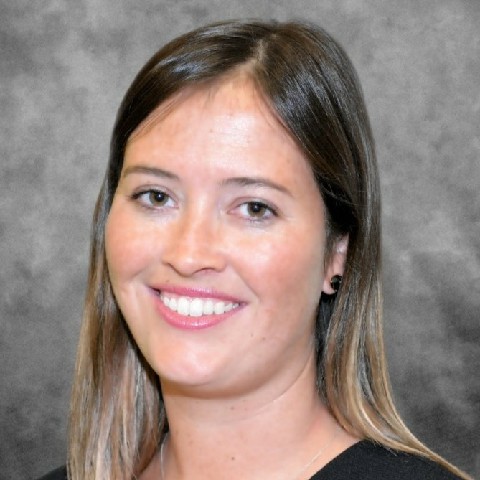
"Don't just hand us the technology like let us be in the room when you're creating it to see is it going to work? Does it apply to the clinical setting? Not just you can't just go off of the dreams of the outcomes of it, but the practicality. And I feel like that piece is where nursing has, like, the biggest pulse on patients and their needs"