
Current care delivery models are reaching a critical breaking point. Can AI, Ambient Sensors, and Accelerated Processing support the intricate systems and operations of modern care environments to create healthier more sustainable healthcare systems?
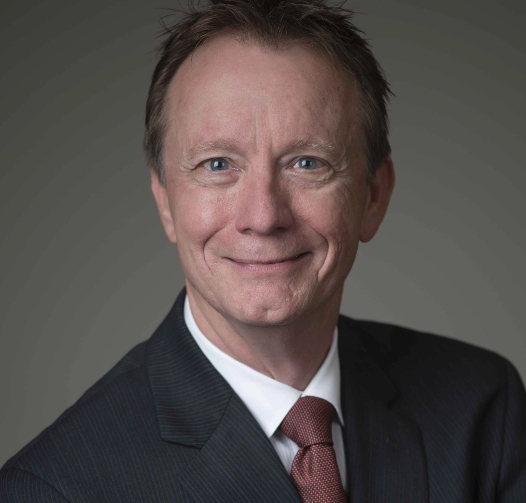
Steve Lieber served as President and CEO of HIMSS, for 18 years, during which time he brought significant growth to the organization and was recognized as one of the Top 100 most influential people in US healthcare. Lieber has been awarded honorary life memberships at HIMSS, the American Hospital Association, and the American Society of Healthcare Risk Management.
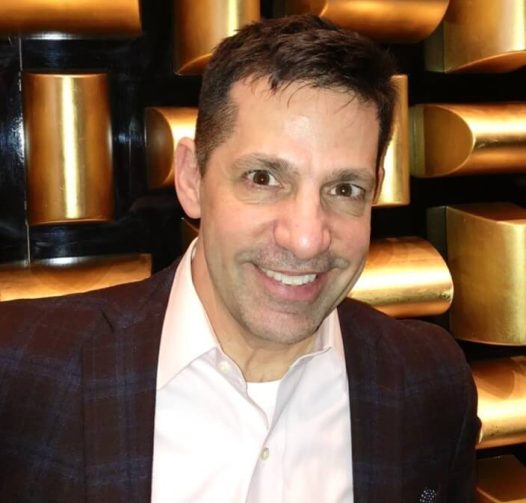
"One of the things that we heard early on is that without nurses, there is no healthcare, and we believe that, and we want to make sure that it's an important voice that we're finding a way to include as we get in a little deeper to this." - Rich Scarfo

SFTS-Rich Scarfo: this mp3 audio file was automatically transcribed by Sonix with the best speech-to-text algorithms. This transcript may contain errors.
Intro/Outro:
Welcome to Smart from the Start, presented by Care.ai, the Smart Care Facility, platform company and leader in AI and ambient intelligence for healthcare. Join Steve Lieber, former CEO of HIMSS, as he interviews the brightest minds in the health provider space on truly transformative technologies that are modernizing healthcare.
Steve Lieber:
Hello, and welcome to Smart from the Start! I'm your host, Steve Lieber, and it is my pleasure to bring to you a series of conversations with some of the sharpest minds and health information technology. On this podcast, we discuss the smart directions healthcare companies and providers are pursuing to create smart care teams. Today, I'm joined by Rich Scarfo. Rich and I work together. A number of years ago when Rich was at PCH Alliance, which HIMSS acquired while I was the CEO there. For the five-plus years, Rich has been president of HLTH, the organization that I think this audience certainly knows well from Landmark Conference you guys started a few years ago. And then early in his career, Rich was a long time executive at the Consumer Electronics Association. He was deeply involved in CES, the Consumer Electronics Show. Rich, good to see you.
Rich Scarfo:
Good to see you again, Steve.
Steve Lieber:
Well, this is really a fun opportunity here because as I said in the intro there, Rich and I go way back. And in fact, Rich, I think, drove a lot of the change and innovation that went into the HIMSS conference by virtue of the work you were doing at PCH Alliance and the connecting for HLTH conference that you were doing there. And really, let's kind of start out with sort of your philosophy about events and what you're trying to do over your career in terms of the events that you've been a part of and led?
Rich Scarfo:
Sure, thank you. I appreciate the opportunity. And there's been sort of a consistent thread throughout my career in terms of events, and certainly, HLTH has been a great place to build on that, and that is making sure that we're delivering events that bring the best senior executives together in the industry, key organizations from across the different sectors. We're serving an experiential overall event for attendees and making sure that there's a return on investment and a return on time invested for all of our participants.
Steve Lieber:
Yeah, well, you certainly have one coming up in the next few weeks that we want to talk about, ViVE. ViVE is actually a partnership event between HLTH and CHIME. This is the third year after of what I think was a very successful launch in Miami Beach a couple of years ago, and then last year's event in Nashville. So, you know, so start out with, for any of those of our audience that were under a rock for the past three years, what is it? What's going on there? And tell us a little more about it.
Rich Scarfo:
So ViVE again is been just an amazing new launch, newer launch for us. As you mentioned, we're going to our third year for us. I think the partnership with CHIME has been critical here. We know that we entered a very crowded space in terms of events, just in healthcare in general. So the thought process, in the beginning, was how do we deliver something that is filling a gap in the marketplace, and how do we cater to, again, those senior executives, companies in the health IT, and digital health space and create something that would be of interest to attendees and companies and key partners? We think ViVE has hit on that. It's one of our fastest, actually. It is our fastest-growing event here at HLTH. The partnership with CHIME has been critical in delivering the C-suite across hospital systems, so this event is a little more targeted than HLTH. We really focus in the audience in three sectors: payers, providers, and the startup community. And on the sponsor side, we're really focusing on companies that are doing business with payers and providers, especially health IT companies and digital health companies that some are at HLTH, not many. We wanted to make sure that this event was very different from HLTH. So it's really focusing on the business of healthcare systems and where healthcare is right now, and what that looks like in terms of the networking and the conversation amongst the executives that we attract and how they do business with the companies that we have as sponsors and exhibitors. And I think one of the things across our events that makes them really quite unique is very developed. What used to be our hosted buyer program, it is now our Provider and Payer Connect program, and we also have two other key networking activities at the event. One is funding founders, and that brings together startups, founders of startups actually with VCs. And the other is just ViVE Attendee Connect. And that really is something that is made available to facilitate networking across the event for all attendees. So between these three programs alone, we will host around 11,000 meetings at ViVE this year. And you know, it follows our model of making networking easy, offering a platform where companies activate and what we call a right-sized activation. You know, we don't want companies coming with massive stands on the floor and large delegations from their companies. What we'd rather have is a right-sized activation on the floor, whatever that looks like, you know, executive level team from your company and the ability to activate in other ways that position your company at the event. So they could be customer events, they could be in the connect meetings, they could be branding, and all the normal things that other events offer. But we try to wrap all of those traditional things around the right-sized activation, the senior-level audience, and the connect programs.
Steve Lieber:
You know, it really is a great opportunity. Having been a part of the conference for the past couple of years, it is the place to be to do business. There's such a wealth of people from different places and different positions and such, and they're all there at one time. So great opportunity in the various connects programs, I think, really go a very long way of making it easy for people to navigate those connections. Looking over the website, and again, this is a hallmark of HLTH events, a wealth of speakers, I mean, page, page, page, page of speakers. Talk a little bit about who's at the top of that list and what you've got going there in terms of the educational program.
Rich Scarfo:
Yeah, so I should mention that our program that we put together is really based on a couple of things. One is we do like executive level speakers across the board. We like to bring speakers together that have not spoken at the event before. That's very important to us. We also like to have topics that are addressed first at ViVE or HLTH. It's very important to us that when you're catering to a senior-level audience, that you're bringing them the freshest content, and we try to do that. Our program is put together a little bit differently than most events, so we actually don't do a call for presentations, we do a call for speakers, and we craft our program around the speaker submissions that we get. So it takes a little bit longer. It's a little bit more of a custom approach. And I would say that of the 2000 submissions we get for HLTH, and probably about 1800 for ViVE, of those, you know, about 60% of our speakers come from that, and then we also craft the rest of the program with invited speakers. What's important about our program also is it has different elements to it. So we have our general program, and that takes place on five stages. And I should say that the other thing that makes ViVE and HLTH very different is all of our stages are on the floor. We try to create an environment that brings all of our companies and attendees onto the floor and then keeps them there. So we have all of the networking, we have food, which is all included. We have all of our sessions, and then we have meeting spaces throughout the floor. So it really facilitates a very easy event experience for the attendees. So this year, we will have senior executives and C-suite from different types of organizations, the VA, Optum, GE Healthcare, Microsoft, HHS. We'll have quite a few provider organizations at the senior level represented across the program, as well as payers. On the floor, we'll have two key areas. One is around interop, and that has been a growing area for us. We have three smaller stages there with again, a wealth of speakers. Those are a little bit different. They're more case studies, demos, and an experience within a pavilion that has about 70 companies tied to it. We also have cybersecurity. And that's another of course, important topic for this industry, same format. And this year, something that's new that we're adding to our lineup of topics is nurses at ViVE, and that's a really important initiative for us, and it came about in an interesting way. We had some amazing content around nurse leaders at HLTH, and we always like to hear direct feedback, positive or negative. And some of the feedback coming to us was, this is great, but nurses really can't be at ViVE or HLTH for several reasons. One is budget, two is time. So what we decided to do was launch this program, which would help nurse leaders and those in the field actively using the products and services that both events are representing, and find a way to get them to the event. Because we feel that even though it might seem that the feedback coming to us in the beginning is negative, what we look at is something that really helps us evolve and grow our events, and we think it's a privilege to have a sector of the industry that says, we really think we need to be at your events, and we're not sure how to get there. So what we try to do is look for ways to make that happen. And this is one of the ways, and it follows the same model as patients at HLTH and patients at ViVE that we launched last year. But we will have a stage for nurse leaders. We'll have a thread throughout our program. We have offered scholarships, and we'll have upwards of 50 of those that have been distributed through our HLTH Foundation, and we have a pavilion on the floor that allows for networking. We feel that this is a really good way to bring an audience to the event in a way that meets them where they are. One of the things that we heard early on is that without nurses, there is no healthcare, and we believe that, and we want to make sure that it's an important voice that we're finding a way to include as we get in a little bit deeper to this, and it really ties into a lot of the challenges that are going throughout our program. But nurses are not always included in product development, and sometimes, the way that these products are developed adds a burden to them instead of helping them. So there are a lot of things that we're doing to provide a forum at the event, outside of the programming. We have our lounge, and we'll have one-on-one touch bases with nurses. We're working on roundtables, and we're working with the key leading associations. So I spent a little bit of time on that because it really does reflect how we like to approach the industry, and we like the events to be very responsive to the needs and responsive to requests to make sure, you know, again, that we're delivering something that is filling a void or several voids, and that is of interest to individuals and companies that are not just going to show up, but have really a presence that helps us move the industry forward.
Steve Lieber:
Yeah, I'm with you totally there. As a matter of fact, I'm moderating a session on the CHIME stage in the area of virtual nursing. It's called Creating and Empowering Smart Care Teams on Tuesday, February 27th at 10:30, for those of you that are making notes there. And we really are focused on this conversation; I've got three provider executives there. And your comment about oftentimes nursing is not brought into the conversation. And when they are, sometimes it's burdensome and that sort. And that's one of the things we really are hoping to cover is, how have these execs been able to bring the front line into the conversation and be a part of what they are developing on this smart care journey. So I'm really looking forward to being a part of that conversation, and I'm glad to hear that. That's a real focus of the conference. Over the years, you've been very involved in startups in terms of creating a venue, so talk a little bit about what's going on there with the startup community.
Rich Scarfo:
So the startup community, we look at startups as really the entry point of innovation. You have some of the best ideas, the craziest ideas, and things that really make people stop and think. And for us, it adds a little bit of excitement to the event. HLTH and ViVE are different in the sense of the numbers, but very much aligned in the approach. And our philosophy with startups is that they need events like HLTH and ViVE to be in front of the right type of executives. So at HLTH, we'll deliver about 1700 VCs, and that event, we'll get to that, but much more focused on the innovation spectrum. ViVE is really about startups that are closer to doing business, still looking for funding. So we have a nice showing of VCs, but they're really looking for pilot programs, partnerships, and alignment with hospital systems and payers. And, you know, there's a lot of interest in how innovation from companies that show up at the event that are startups can help facilitate that. So we have two different ways that startups show up. One is we offer a full package for them to have a kiosk at the event, which is very cost-effective. And the other is we offer a startup rate. And then in addition to that, we offer, as I mentioned, the Funding Founders platform at both events, which is a very easy way for them to get in front of those looking to invest or for partnerships. So ViVE this year will see more startups, and we're starting to see a lot of the accelerators come over. They're all present at HLTH already, but took a little bit of time, I think, to land the right approach there. But we were very surprised, I think, even after our first event, as you might recall, how many startups and VCs actually showed up at ViVE. So we're looking at how this event can offer a very different platform and experience and access than HLTH does.
Steve Lieber:
And it really is a great opportunity for those early-stage companies, as well as for other companies, to connect with them and look at business opportunities and such, and it really is just a great addition. Just to wrap up on ViVE 'cause, before we run out of time, I do want to get to the other two events that HLTH is driving this year. The other thing that I think is remarkable is your focus on experience, and you've touched on that in the comments that you've made here about the attendees' experience in terms of not only the educational program, but business opportunities, the social opportunities, and that sort of thing. And I just want to commend you and the HLTH team for just really thinking about the attendee first, and what am I going to experience there, and how can you make it enjoyable. And it's just something to just call out there that you guys are clearly focused on.
Rich Scarfo:
We believe firmly that if an event, an event gets too large, you start to lose the executive. If an event gets to the point where it's very sort of, doesn't offer all of the elements that we try to focus on, it's hard to get executives to continue to come back. We're heading into ViVE right now. You know, registration is in full force, but we're still averaging just above 30% C-suite at ViVE, which is really what we strive for.
Steve Lieber:
And that is key. I mean, it's the objective of the conference to bring those folks together, and there is such a wealth of opportunity there for people to connect with one another. And so that's coming up February 25th to 28th in Los Angeles, and so looking forward to that. So, and say, you've got two other events coming up. One, somewhat on the heels of this June 17th to the 20th in Amsterdam, HLTH Europe, new event, first shot. So tell us a little bit about that.
Rich Scarfo:
So HLTH Europe is our first foray outside of the US. Whenever we get into we want to make sure that again, there's a need and that we can approach it the right way. I think, first and foremost, we decided right at the beginning that launching an event in Europe does not mean that the HLTH team is just creating another HLTH event in Europe. We were very careful about a lot of interviews before this event. We've hired a full team in Europe, so this is an event for Europe being run by a team in Europe, and we think that's very important. We'll bring together really the focus of HLTH and ViVE. So, you know, HLTH will really just focus on the innovation spectrum and really all touchpoints of healthcare, whereas ViVE is more of the business event, so both of those things will come together. We have a lot of the inspiration of the event will come from the US and goes back to experience the networking programs, a focus on senior executives, the brightest speakers and best content, and a mix of companies that will really be something that is of interest to an audience. Registration for that is going very well. We opened early because, you know, with a new event, it's hard to build your first audience, so that's going well. We've just announced our first 200 speakers, and what you'll find about HLTH Europe is that it is not an event that leans into, say, one HLTH ministry and is heavy on that country. This is something where we're trying very hard to make sure that it is a pan-European event. That brings its own challenges because, as you know, healthcare in every country in Europe is slightly different, and they have their own challenges. But we really look at it as an opportunity for these leaders to come together and to discuss and learn from each other. So our website has the first 200 speakers, and you'll see speakers from the US, Denmark, UK, Germany, just all throughout Europe. And we're very pleased with that. We also have in that first 200, you will see that they are almost all C-suite. And that's again something that's important to us because, again, there are a lot of health events so, or healthcare events, I should say. So we want to make sure that ours stand out and really are able to bring people in for an experience that they won't forget. And our best test of an event is when it's over, people saying, I can't wait until next year.
Steve Lieber:
Well, good luck to you on that one, and I will not be at all surprised that that's the word coming out. As I say, the experience at HLTH events is so unique and so positive. I know it's going to go well. And you're right, the pan-European approach is important because there are lessons to be learned from across the continent, and having been involved in some of those in my past as well, tremendous value there and then going to, we'll call it the foundational event, October 20th, 23rd in Las Vegas, HLTH US.
Rich Scarfo:
HLTH US. So this event has been really something that has helped us, I would say, as a company, put ourselves in front of all of the right executives and companies to help the other events to make them possible, really. HLTH will focus again on the full innovation spectrum, and the way that we like to look at it is what's possible in healthcare. Where is healthcare going, and what does healthcare look like in 2, in 5, in 10 years? And moves beyond the hospital or the provider system and the payer, and it moves into our key categories of attendees. So we have a much larger pharma life sciences presence there, a massive startup and VC community. We have government, which is actually growing at both events, but that's a very important group there. Then we also bring in payers, and for that event, it's also important for us to articulate that it's an innovation event versus what we do at ViVE. So we get a different set of executives from provider and payer systems. And then the other group that's growing for us is the employer, large employers. And so bringing all that together into one event is a challenge because you're really catering to many different segments of the industry. But, you know, at the end, it really does come down to what's possible for the individual, and that's what all of this is about. How do we make health and healthcare better for people? And it's something that we really focus on. So we're seeing growth in that event. We're bringing some new features to it. We'll have nurses at HLTH again, we'll bring our AI pavilion, and we're launching an AI effort at ViVE this year as well, so that we see something that's growing. Food as medicine is another area that we're doing HLTH. For us, looking at how do we bring things that are attendees won't experience anywhere else. Another thing that we're bringing back is systemic oral healthcare. And that's something that we launched last year, and you know, it's an interesting approach, but it really, and it's, I think, most basic form is there are some people that are only touchpoint with the healthcare system is through a dentist, and it's really important that certain things are detected at that point. So it's looking at how do we bring the dental healthcare community together with the healthcare community that we already cater to. So we had a wonderful launch last year, and there's quite a bit of growth focused on the pavilion, the programming, and also the executives that were bringing in for that this year.
Steve Lieber:
Rich, it sounds like it is jam-packed with a lot of really neat stuff. I mean, and again, typical of what we've come to expect out of you and out of HLTH. So look forward to following up with you closer to that and having a deeper dive into HLTH US, which is again in October in Las Vegas. So to wrap up, let's remind our listeners that ViVE is almost here, February 20th to the 23rd in Los Angeles. And so I know I'll see you there, Rich, and hopefully, we'll have many of our listeners attending as well. So I appreciate your time today. It's really been great catching up with you.
Rich Scarfo:
We appreciate the opportunity, Steve. It's always good to connect with you.
Steve Lieber:
Great. And to our listeners, thank you for joining us. I hope this series helps you make healthcare smarter and move at the speed of tech. Be well.
Intro/Outro:
Thanks for listening to Smart from the Start. For best practices in AI, in ambient intelligence, and ways your organization can help lead the era of smart hospitals, visit us at SmartHospital.ai, and for information on the leading Smart Care Facility platform, visit Care.ai.
Sonix has many features that you'd love including secure transcription and file storage, automatic transcription software, automated translation, world-class support, and easily transcribe your Zoom meetings. Try Sonix for free today.



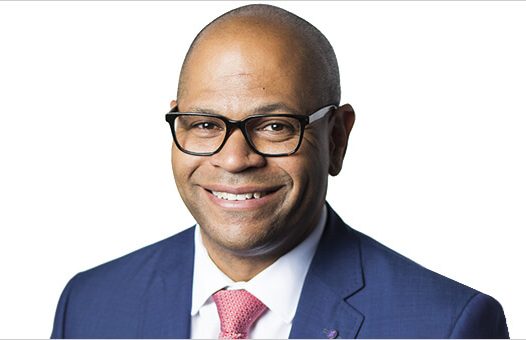
"We are making technology decisions in a manner that allows us to think about removing some efforts from on the part of the nurses and then augmenting their capabilities without overburdening them with a number of different types of alerts" - Dr. Lacy Knight
SFTS_Lacy Knight.mp3: this mp3 audio file was automatically transcribed by Sonix with the best speech-to-text algorithms. This transcript may contain errors.
Intro/Outro:
Welcome to Smart From the Start, presented by care.ai, the smart care facility, platform company, and leader in AI and ambient intelligence for healthcare. Join Steve Lieber, former CEO of HIMSS, as he interviews the brightest minds in the health provider space on truly transformative technologies that are modernizing healthcare.
Steve Lieber:
Hello and welcome to Smart From the Start, I'm your host, Steve Lieber, and it's my pleasure to bring to you a series of conversations with some of the sharpest minds in health information technology. On this podcast, we discuss the smart directions healthcare companies and providers are pursuing to create smart care teams. Today I am joined by Doctor Lacy Knight. Doctor Knight is the Chief Health Information Officer at Piedmont Healthcare, joining the system in January 2020. As CHIO, Doctor Knight's focus is ensuring that the clinical technology is effective and efficient for clinicians, and aligned with the organization's strategic goals for quality, safety, and service. Doctor Knight has spent 20 years in the Northern Illinois Chicago area as a Chief Medical Information Officer, Emergency Services Medical Director, independent consultant, and emergency physician. Welcome, Doctor Knight.
Lacy Knight:
Good morning Steve. It's great to see you and be here. Thank you for having me.
Steve Lieber:
What I want to start out with, Lacy, is I did a little research on you beforehand and listened to a podcast you did just about a year ago at ViVE in Nashville, and you touched on a number of the themes that we're going to talk about here today, in particular, AI machine learning, data-analytics was something you focused on as well as some other things. And so what I want to do is, okay, we're a year later, and recognizing healthcare doesn't move in such a pace that we may see dramatic change from one year ago. But the question really is, how do you see things one year later? Are people talking about the same things? What do we know more that we didn't know a year ago? Kind of give us a view of the world that you've seen over the last 12 months.
Lacy Knight:
What I'll say is, last year there was a lot of curiosity, and AI and even automation were viewed as things that were an opportunity. So those that had the time and interest would go forward, and today it feels more like a burning platform. So if you don't have some dedicated effort to figure out how to take advantage of these types of tools, that you'll be quickly left behind. And I think post-COVID, one year is feels like an extremely long time. And I know that at least the way I spend my time these days, I spend a lot of time thinking about where we need to invest in different types of technologies. A lot more time than I was spending a year ago. Additionally, there's probably 100 times as many vendors and products in this space than there were just a year ago. So it's become a lot more difficult, and time-intensive, to figure out what are the right solutions for.
Steve Lieber:
You mentioned post-Covid, and I was just looking back in your bio, you joined in January 2020 at Piedmont, and clearly, the agenda you had in January was probably pretty different than what you were dealing with in March, April, and May. And that talk a little bit about what happened in that time period as it related to the technologies you were planning on working on and optimizing versus what really had to be done to take care of the patients of the day.
Lacy Knight:
I started with this mindset that I would have time to get to know the systems and the people and go out and visit. And very shortly after arriving, everything went remote, and certain functions that were, probably less essential to the day-to-day getting through the next wave of patients became available resources and expertise. And so, for me, I ended up meeting a lot of people that became available to help in our technology response to Covid, that I probably would have taken a lot longer to meet folks on the strategy team or marketing team that we were not actively looking at developing strategies in Covid, we're trying to get through to the next day. And really bright people helped us stand up our ambulatory virtual visit solutions, which allowed us to take care of patients without getting the patient sick or the doctor sick. I think most health systems were doing something like that, but our timeline would have normally been several months of planning for something like that, and for us, it amounted to about ten days to get something stood up. And then within the next, I think, 6 to 8 weeks, we had cycled through three other types of solutions to get to the platform that we're using today, with that. So that timeline, I wish, I would love to say that was a temporary mindset in terms of timeline, but what it taught us is that if we have focus on the things that we want to achieve, we can eliminate the barriers and the obstacles to to moving things forward. So I think that mindset has certainly stayed with us.
Steve Lieber:
That's an interesting point there, you made really two, two significant examples of the learning from the Covid period: one, that you can move quickly and all, and that it has remained the mentality. And you even mentioned the platform that you cycled through several variations before you landed on the one that really worked best, but is also the one you're using today. So clearly a very difficult, understated, obviously period. But out of it has come some things that really are continuing to show benefits to the institution, to patients, and to clinicians today.
Lacy Knight:
I think we figured out at least I think we figured out what we need to be prepared for the future. So the skill sets may be different, but you've got to be able to respond and think with some level of agility while also planning long-term. So I think one of the things I'm proud of with our response was that we knew that the first solution, the one we could get out the door in ten days, was not going to be sustainable. It was a little bit labor intensive for the medical assistants and for the physicians, and for the patients, but it was the fastest way that we could respond. And we knew that if we didn't respond quickly, then we were not going be able to care for patients in the way that we expected. But we estimated how much time our clinicians would be able to, and patients would be able to tolerate the platform and immediately started working on what the next improvement was going to be. And so I feel like these days, while everything's happening faster, we still have to maintain some sort of a long-range view so that the decisions that we might make quickly have enduring outcomes and benefits.
Steve Lieber:
Also, in looking at your background, I see reference a lot of experience with electronic health records and working to optimize their value, both for clinicians in terms of addressing workflow and such as well as patients and such. You talked a lot about various advanced technologies in terms of AI and machine learning. And so, how are you looking at the EHRs in relation to this? Are you looking to them to be the solution, or are they a platform in which you'll integrate other technologies? Where do you see and you may not even have a decision yet in terms of exactly where Piedmont is going on some of these things, and it may vary. So talk a little bit about that relationship of where we're going with what we've spent the last 20 years on, which is digitizing health records into the electronic health record.
Lacy Knight:
One of the probably the most unique circumstances that we're in with the advance advancement of these large language models and prevalence of AI, can almost call it, there's almost universal access. So if you have an app today, yesterday, you didn't have access to these types of models. Well, today, you do relatively easily, and most of the population has some familiarity with it. A few years ago, there might have been a few different types of companies that were really much further ahead than some of the other ones. And today, everybody's in the same bucket where they're trying to figure out as quickly as possible how to take advantage of those tools, and that means that everybody's learning at the same time. Health systems are trying to figure out how do we implement these types of technologies and where do we get the best benefit from them? While vendors, including EHR vendors and smaller ones, are trying to figure out how they can leverage it to provide the most value? And so we're trying to pay attention to all of it. The way we think about it is really to think about where we have the greatest challenges or the greatest opportunities that align with our strategies.
Lacy Knight:
And then we look for opportunities to address those. And as I mentioned, a long-term solutions that we may be able to implement quickly. And in many cases, the EHR is going to be the best thing for our clinical teams. They are already used to using the we're an Epic shop, so they're already used to using Epic. And so the upskilling that's required to be able to train our clinical staff is pretty small. We have the opportunity to build these tools into existing workflows so as to the extent possible, we're going to piggyback on our EHR and take advantage of the types of things that they're bringing forward. Some things very quickly, some things maybe not as quickly as we would like to see. And so that's where we may look to some other partners to help augment some of other systems. And I think additionally, the EHR is really focused on that patient care side, but the technologies have opportunities to improve non-clinical operations like our service centers for information services or HR service centers, and some of the operational efficiencies that we think are important to continue in the future.
Steve Lieber:
Early on in our conversation here, when we were talking about what's happened over the last year, you mentioned there probably hundreds of more companies today than there were a year ago in these areas. Creates a tremendous challenge for folks like you in tasked with the responsibility of addressing those problems that are identified or getting making sure you're in alignment with strategy and that sort of thing. You are having to make vendor selections. How are you wading through all of that with so many new entries into the market? And so let's just make the assumption, okay? An area has been decided because that's obviously the first part of this is okay; what is it we need to solve for? And then you start looking at the marketplace for who does that. What are some of the thoughts you have about how you work through that in narrowing down your vendor selection?
Lacy Knight:
I wish I could tell you that it was there was a science to it. It certainly is more of an art for us. We have lots of inputs for things, so we will maybe float a topic out, like clinical documentation is pretty, pretty prevalent now that a lot of different types of vendors are in that space. And a lot of, uh, my peers and other organizations are also looking at it. So, we hear a lot from physicians about companies we should be looking at. We hear from, uh, hospital operators, and there's a lot of information in the media. And so I think for us, we are trying to get really smart about these domains as quick to the extent we can. So maybe some rapid meetings with the types of vendors talking to peers about their experience with different groups. And then, we're at this place where we have to decide for a given solution. Are we okay with a series of really narrow market solutions? So they solve a specific problem really well. They go super deep into that versus do we want to go to a platform that might require a little bit more development or a little bit more time and more internal resources and upskilling to be able to get to that? I think for each solution, it depends on, probably the depth of expertise, some level of estimation around how much time do we have to figure it out. So for the clinical documentation piece, we know that healthcare providers. I have a lot of frustration and burnout related to documentation burden. So, for us, this is something that we have to figure out really quickly. And so it's not something that we are going to look to try to do some internal development or look for platform for those types of things. We're looking for folks that have specific depth of expertise in solving that problem that we can we may be able to implement very quickly and receive some benefits to the clinicians in terms of burnout.
Steve Lieber:
Really insightful because I've seen a lot of time thinking about point solutions versus platforms and really was headed in a little different direction, not recognizing the immediacy that you might have to solve a problem, in which case, okay, bring something in. Recognizing much as you did during Covid. This is not a long-term solution, but it's an immediate solution because we have an immediate need, and then we can take a little more time to move into that platform environment or whatever. That's really a good insight. You mentioned, have mentioned, several times conversations with clinicians. And so, how are they talking about the changing environment in terms of technology? Are you getting encouragement? Yeah, go out there and bring more in. Are you getting resistance? It's like, okay, we've got enough new stuff in here. Give us time to catch your breath. What's the mentality, the sort of psychological thinking that's going on at the front lines as it relates to the sort of things we've been talking about here?
Lacy Knight:
It's all over the place. There's certainly a lot of familiarity with it. I'd read something a couple of months ago, I don't know the current data, but that ChatGPT was only known by maybe 25% of the population in the world. I don't know what it is today, but I do know that almost every clinician I've interacted with is familiar with these technologies has considered it, those that are independent physicians may have implemented some of these things into their practices. And so there is excitement. I think there's a strong confidence that we need to be doing certain things to make the care of patients a lot easier. But I think there's also some concerns around data privacy and how that's going to work. There's some concern that organizations will implement technologies that are more disruptive and impact the kind of patient-clinician relationship, and these are all types of things that we are taking into consideration when we look for solutions and the ease of implementation, what the impact is going to be to the patients in addition to the impacts of providers. But I think it's, I would say, cautious optimism. And without question, the physicians and nurses believe we should be doing something.
Steve Lieber:
That's a great insight. And I just reflect back over my rather long career that at one time it was, I'm going to retire before I'm going to tackle this new thing you're bringing in, which was the electronic health record. We've got a change in that time. We really do have a change of generation among clinicians. Yes, there are some of my crowd still around, but I would expect that the, and I think you just touched on it, that there is a different expectation today than we had 20 years ago in terms of there are solutions out there in technology, and I'm expecting you to go out there and look, look at them and bring them to me and help me care for my patients better and even make my clinical workflows easier. And so I think the expectation, as you just touched on, I think really has changed, which I think is very positive for healthcare.
Lacy Knight:
I think it may even be different by different communities. So I think those that spend a lot of time documenting on paper before moving to electronic health record that didn't grow up typing might have a little bit more demand for these ambient solutions related to documentation. And those that are younger, that are digital natives, who perceive that they type really well, sometimes think that it may not be an advantage to them, but they might be more interested in tools that improve diagnostic accuracy, something that I haven't heard as much from those that have three decades of experience taking care of patients. So I think, what we're going to find is that we need a variety of different types of tools, and we are going to need to be able to accommodate a lot of different types of positions on this. And not everybody's going to like the same tools that we implement. They'll they'll fit certain populations but not others.
Steve Lieber:
Not a surprise. I mean, we are people, and we all have different places in our careers where we are at a particular time. And that I think recognizing that there are those differences probably helps you be more successful in bringing solutions to varying populations. You recognizing I have to message this in a way that my audience understands it and is willing to recognize and accept it. I think that's very insightful. One of the areas we like to touch on here is ambient technology. In terms of virtual care, virtual nursing within the facility, ambient monitoring sensors, and such. Where is Piedmont in terms of looking at this specific area in terms of where you're going with that?
Lacy Knight:
So I will tell you, a year ago, we were early in thinking about it, and now we were rolling out virtual nursing throughout our entire health system in our med surg units will complete that rollout at the end of the year, and we selected an option that would include the ability to use some sort of ambient technology. In order to do that, we think it's important in order to make life simpler for some of the nursing staff, is to augment their capabilities by having digital technologies provide some support or identification for patients that might be either at risk for falls or virtual sitting programs is something that we've been talking about. We're probably not as far yet as I think I'd like to be, but we are making technology decisions in a manner that allows us to think about removing some effort from on the part of the nurses and then augmenting their capabilities without overburdening them with a number of different types of alerts.
Steve Lieber:
In this area, going back to our earlier conversation about platforms versus point solutions, what was your thinking on this? Is this an immediate we needed a point solution, and we're doing that and we'll let it evolve. Or did you start out with we've got a little more time here, and let's think about it a little more enterprise systematically.
Lacy Knight:
This was something that we were trying to do both. So we did not perceive that there's a lot of time. The virtual nursing component is something that we brought in to address the nursing staffing challenges that are today. Um, and it's been great. Our early feedback in the three hospitals where we've started this has been very positive from both nurses and for patients. One of those things that hits all the different types of buckets we were looking at in terms of patient satisfaction, patient experience, understanding instructions, more accurate capture of the medication history, and then providing additional support for the bedside nurses that we think is going to long term, impact our ability to recruit nurses and help nurses stay at the bedside for longer. But we knew that we didn't want to just look at cameras, so to speak, because the technology was out there to do a little bit more. And so, we planned for things that we have not yet implemented, including the capability to provide remote or virtual sitting capabilities within these devices. So we made sure we have a pan, tilt, and zoom camera that can be used day-one for virtual nursing. But we also have fixed cameras on these devices that can allow for the virtual sitting component. And then we also selected a solution that has an ambient ability to do some early fall detection. Have not turned that on yet, but we're we know that that may be some of the beginning of this type of tool, but more will come. I think, once we start to figure out how we can leverage it and integrate it into the nurse's workflow, there'll be a lot of different ways that we try to augment the nurse's capabilities through technology.
Steve Lieber:
Well, we will want to come back to you in six months. And when you're farther down that path because it sounds like you do have some early results in terms of the impact that this is having, particularly on your clinical staff, which I know is a key objective with installing this type of technology as well as the value it has in terms of patient care. And so we'll be interested in hearing more about that rollout in terms of how it went and what you learned from it.
Lacy Knight:
Yeah, thanks. I will tell you, to date, we estimate that we've recovered about 1600 nursing hours from the bedside nurses.
Steve Lieber:
Excellent. And at this point, you're at what point of rollout of this in terms of how much of the organization?
Lacy Knight:
Um, we probably have, I would say less than 10% of our beds installed. So by the end of the year, we'll complete all of our medical-surgical units.
Steve Lieber:
To wrap up, we'd like to close with a very broad question to give the guest a chance to really share a significant insight. Our audience are folks like you, CIOs, CMIOs, CNIOs and such. And, what's Lacy Knight's big takeaway here to to share with our audience.
Lacy Knight:
So I'm going to mention three things that I will admit we're thinking about and still trying to figure out. The third item you've heard me mention a couple of times, but I want to reiterate it. So the first one is, with all these new technologies, we are trying to figure out how to develop organizational competency so that it's not a select group that understands the tools and the capabilities, but that it becomes a way of how healthcare organizations are just thinking about solving problems from the beginning in a way that we can leverage technology a little bit better. I think the second part that we have not figured out is the technical competency piece. So how much do we want to rely on outside parties versus how much internal technical expertise do we want to have? Because that will shift our buy versus build strategy for that. And then the last thing I think is really about the skill set of your leaders to be able to plan for long term so that you make decisions quickly that you know, are going to have lasting effects, but you're able to do that with some degree of agility and respond to the market and, and demands as you need.
Steve Lieber:
Excellent. I think those are three very valid points that apply in any setting as areas where we really need to pay attention and, and focus on. So Lacy, thank you for your time today. This really has been a wonderful conversation, very insightful. And you really especially talking about some of the things that you're actively involved in right now, I think really has great insights for our audience. I really do appreciate your time today.
Lacy Knight:
Thank you Steve, I had a great time and I appreciate you considering me for this excellent interview.
Steve Lieber:
Yeah. And to our listeners, thank you for joining us. I hope this series helps you make healthcare smarter and move at the speed of tech. Be well.
Intro/Outro:
Thanks for listening to Smart From the Start. For best practices in AI and ambient intelligence, and ways your organization can help lead the era of smart hospitals. Visit us at smarthospital.ai. And for information on the leading smart care facility platform, visit care.ai.
Sonix has many features that you'd love including transcribe multiple languages, powerful integrations and APIs, secure transcription and file storage, generate automated summaries powered by AI, and easily transcribe your Zoom meetings. Try Sonix for free today.

"How can we move the ball forward and test out a new technology or a new way of staffing the team and see if it works? Prove it to ourselves. Learn from other organizations, have gone before and then slowly go up that adoption chain. But it all came back to the ultimate why? Like we won't survive." - Hiten Patel
SFTS_Hiten Patel (2).mp3: this mp3 audio file was automatically transcribed by Sonix with the best speech-to-text algorithms. This transcript may contain errors.
Intro/Outro:
Welcome to Smart From the Start, presented by care.ai, the smart care facility, platform company, and leader in AI and ambient intelligence for healthcare. Join Steve Lieber, former CEO of HIMS, as he interviews the brightest minds in the health provider space on truly transformative technologies that are modernizing healthcare.
Steve Lieber:
Hello, and welcome to Smart From the Start, I'm your host, Steve Lieber, and it is my pleasure to bring to you a series of conversations with some of the sharpest minds in health information technology. We'll discuss the smart directions healthcare companies and providers are pursuing to create smart care teams. Today I'm joined by Hiten Patel. Hiten most recently is head of Product for the Analytics Division of Penn Medicine and was previously the Chief Product Officer at Rush in Chicago, leading both spinout and partnership efforts to diversify health system revenues. During the pandemic, he was also tasked to lead transformation efforts as acting CIO and executive sponsor for LAB and Medical Group Systemisation. Prior to Rush, he was at OPTUM, the advisory board company for 14 years, where he launched several businesses and was lastly the head of Product Management for the analytics platform groups. Welcome, Hiten.
Hiten Patel:
Thank you for having me. This is going to be fun.
Steve Lieber:
Yeah, looking forward to it. You are a little different person than we oftentimes have on the podcast. You've got a business, what I'll call a business background within the healthcare world, focusing on spinoffs and new businesses in places. And actually, I want to start out in your roles at Amazon and the advisory board. You've obviously worked with a lot of different organizations. And so what can you share with us in terms of what you see there? What are the major challenges that systems and in particular as it relates to technology? What are the major challenges facing them? What are they dealing with?
Hiten Patel:
It's really, you know, back to the basics, the consistent theme for the last 20 years that I've been in this industry, where the revenue trend line just isn't keeping up with the cost and inflationary trend line for the provider side of the business. You think of it nationally, we are cost inflation of healthcare premiums as consumers is just keeps going up. Who's getting it? Well it's not the provider sort of pocketbooks or margin profile. And it's certainly winners and losers within the provider space. One of my old bosses, CEO at rush had said, like, you know, the problem sometimes with healthcare payment is it's very local. You can't move your hospital out of the zip codes you're in. If you're in the high-paying market, you're going to do better than the place you're not. So that's sort of like the revenue side. You're sort of stuck with where you're at with the payers. And then that leads to how are you going to keep the margin side of it. You know what I saw on the revenue side, just to close that thought out, is that people are getting more creative on how to go after both organic growth as well as other inorganic opportunities through partnerships or M&A and the organic sides challenge, because the history of profit centers like the Cardiac Service line or Orthopedics or oncology are being challenged by outpatient shift as well as new entrants or even PE in some areas, sort of gobbling up some of those profit centers. So it makes the health system to require them to be more creative on the ways they're going forward. And that could be payment transformation by going after riskier pay contracts or into other care models as well. And that was one of the tasks I had at rush was to find and diversify our revenue streams.
Hiten Patel:
But all of that's a challenge. And then the cost side is the place where people have to start focusing. And that's been, you know, if you go down one layer below the system, CEOs who are primarily tasked to like growth and that side. But when I worked with for the COO of Rush and some other places I've gone, the focus is on how do we do more with less. We know inflation is coming, the revenue is pushed, and it's going to lead to some level of transformation efforts. And the things I was a part of primarily at Rush was the systemization efforts. You know, we had three hospitals that had mostly worked independently. There was obviously systemization efforts and lots of different areas, but not wholesale. The pandemic put a pause on any of that effort just to focus on getting the pandemic done. But what it really showed us that we could work together given that situation. So after the pandemic sort of subsided a bit, there was that huge focus on starting to do that transformation effort. So IT was one of the projects I had, which was to drive towards a system IT office and make decisions at a central level, handed over the reins to the new CIO. And then, I was asked for other departments like lab, which again had been running more or less independently. And so those were the places that we went. And I think that's probably where health systems are going to be focusing is trying to drive the scale that they now have created as a corporate entity. M&a has led to these mega systems. Now they have to find ways to get synergy.
Steve Lieber:
Yeah. Let's peel that one back a little bit. Obviously as a system brings in new hospitals as it acquires new, you know there's significant opportunity to find synergies and systemization and that sort of thing. Are we getting anywhere near a place where, okay, strategies have got to change? There's just no more there, there in terms of standardization, systemization, economies of scale and that sort of thing. Or are we headed towards a couple of huge national systems, and there's still a lot more systemization savings to realize.
Hiten Patel:
I think there is systemization saving. Beings realize across lots of different areas. I mean, the thing, the things that have gone first are probably the easy ones supply chain, purchasing power, revenue cycle, back office functions. Those are the types of things that we've seen for the last ten years or more happening across the enterprise. But there's still like opportunities even in that when you have a mega system merge and you're on two different EMRs or 20 different EMRs, how are you getting from point A to point B on getting the best efficiency possible? Some colleagues I know are at health systems that are early in their EMR sort of journey, so they're going to rip out everything and go to epic and have a central source of truth. But you know, the day that fails is the day they buy the next hospital. That wasn't a and they got to do it all over again. So there's that challenge. And so there's going to be back to your question. Is there opportunity in all of those historic things? I think so, especially the ones that are more operationally driven, that have data inconsistencies that then lead to lack of scale. So I think the investments in AI and the new technologies on the data side will start to get us there places, probably less areas of squeeze that that have been the easier ones, like supply chain. Maybe there's less areas space there. You know, even at when I was at rush, the thing that we always talked about is physician preference items are the big last mile. And that's really about clinician alignment and less about deal making with the salespeople. If you get someone to standardize, well, you're going to get some savings if you don't standardize. So you can think of a big mega system, all standardizes to one hip vendor, you're going to get some savings there. But how are you going to make that happen? Is not a technology or management problem. It's more a physician alignment and clinical quality.
Steve Lieber:
You mentioned AI and so let's go into technologies now. So the environment is changing in terms of what technologies people are looking at. They're looking for that advantage, whether it's improved patient care or reducing costs. I mean motivations are generally the same everywhere in terms of what people are trying to accomplish. So let's start at sort of the investigation stage of new technologies like AI and machine learning and the like. How do you advise your peers as you work with different systems of how to evaluate what's out there?
Hiten Patel:
Oh, geez. I mean, I think there's.
Steve Lieber:
Going to be an easy.
Hiten Patel:
I know. So I'll put one hat on. I had for a while was like, uh, sort of trying to work with our purchasing process at Rush. As we got out of the pandemic, I was the acting CIO, and we had sort of a Wild West purchasing, buying the IT department bought what they needed to for most of the invisible stuff, usually the servers, you know, all the things that are behind the scenes now, the clinical technology, we had a culture where every person who had budget authority was allowed to shop. And when you have everyone shopping, they might not know everything. Or and I think this goes back to the scale question. They're shopping for their individual need, which is ripe for the salespeople out there who have a one-trick pony, a bot that does one thing. And will that scale? No, it'll probably solve that person's problem with a lot of effort and a lot of IT implementation time, a lot of change management. But will you have really materially changed or transformed the enterprise? And I think that's the place that I tried to advise folks is like, hey, think about these vendors.
Hiten Patel:
What technology are they employing? What is the broader category of problem space you're in? And can you start the dialogue at the CEO level and say, like, hey, we want to go after conversational AI, what are all the places that we could leverage it? Let's talk about those areas. Pick the ones that are highest value. That might be the access center and the calls coming in from patients and making sure every patient that calls gets served. But there's probably 50 other use cases. And if I only buy a chatbot that does the call center, I'm going to start all over with these other things. So those are the places I went was like, let's start at the top of the technology space and then pick a couple of use cases. But with the IT sort of playing sort of the architect say, how are we solve the broader space together with 1 or 2 of the stakeholders saying, okay, we'll give on-point solution X, we'll go after enterprise solution Y, it'll cost us more to do the first one, but we'll be able to solve the rest over a 3 to 5 year period.
Steve Lieber:
So in that conversation, is it pretty easy to get people off of point solutions and think about things more broadly in terms of systems or platforms versus solving the one problem? And it kind of goes back to if everybody has their own shopping cart and own budget to buy technology, you're in a tough spot from the beginning as the CIO, trying to piece all of these things together. So, you know, how tough is it and what are the sort of the strategies you employ to get people off of just solving their problem to thinking about the organization more broadly? And it goes.
Hiten Patel:
Back to this question you had earlier about, is there more scale to be had? Of course there is, because this is not just a multiple hospitals doing different things. This is within hospitals and departments doing different things. And so the tactic we took, and I think it's the thing I've seen at a couple places, I didn't do it out of thin air. I like to talk to other organizations about and. Is basically having a governance process where we coupled purchasing with the implementation project and the change management project that had to come along with it so that it was visible as not a, hey, I'm just going to make a Po for some random software. I'll throw it over the fence for it to deliver, like one of the classic statements. You know, Wayne, who was the CEO of Russia at the time, you know, had this insight that he just kept driving, which is every project's an IT project. So, like, at which if you're going to do something, it's got to be there because you're gonna make a change to system X or Y, or you're going to buy something and implement it. So, let's make sure we take a look at it. And so the approach we took was instead of what are you buying and putting a PO through supply chain or legal, who would see it as a contract or a request for a PO? They would throw it over to our governance team to say like, hey, where's the project that's been approved to implement this, whether there's a PM or not, we'll figure all those things out.
Hiten Patel:
But it's has this project been approved? Does the Co. No, no. Okay. Does the chief operating officer of the medical group or wherever the functional leader should be. And a quick questions okay. We don't even know what this is for. Let's talk about why are we doing it. And then maybe that bubbles up like oh chatbots. Okay look why are we doing a chatbot for like the infant and mother department? Like we should be doing a chat pod for this and then that team will get one in due course. So that's how we got there. It was hard to sort of have a functional no at the end of the day, but it was a thoughtful process of like, why? And then the nodes were like people sort of nodded their head and got it, but they were not happy with it. That's the change of like going from point solutions to more of a enterprise solution for some of these areas. And some things are point solutions. They're so specific to that clinical area that like, okay, that's not going to be useful for anybody else and go for it. Yeah.
Steve Lieber:
Yeah. You touched on governance and I think that's a critical piece here that there's a message from the top down. In all honesty, in terms of we have a process that we need to go through, and we have a group that are going to review these things and give system wide guidance. To me, it just makes a lot of sense. And do you find that to be a pretty common approach nowadays, or are we at a place where, you know, people recognize you got to have system wide governance on it?
Hiten Patel:
I think people get it. I think the pace at which those governance processes go is if I was leading it, I was very sort of having been a product person like, okay, who's a customer? It's like all these requesters, we have to like circle back pretty quickly on. Yes. No. Why? So they can make adjustments to whatever they had planned for. That was the change part over that first year, which is budgets went in the impact of that purchase and that project plan was already baked into their plan. And now you said no. It's like, well, that ripples through some of the other plans they had. So the governance process for us had to eventually get to pre-budget like now. Like that project's not approved. Therefore the budget doesn't need to be there for that project versus what we were catching up with was planned projects by that silo having to then and then then forced us to go quickly. And so we had basically two month cycles of first pass, investigate, get to the second pass, make a decision. And the answer is sort of yes or no or maybe or put it on the back burner. But if you go fast enough, I think everybody can get there. I think the biggest challenge we had was this first part, which is people have already planned it as if it's like happening, and now you have to say no to and.
Steve Lieber:
Already way down that road and you got to reel them back in.
Hiten Patel:
Or they've already done 50 vendor calls or two vendor calls, or maybe one with their friend's company, like who knows?
Steve Lieber:
Yeah. Let's go into one specific area in our last set of questions here. And that's around ambient monitoring, virtual nursing. It's an area that a lot of people are talking about using broad terminology like smart hospital. What are you sensing in terms of where people are in looking at virtual care? And here we're talking about virtual care in the institution, not traditional telemedicine and that but really, how are things changing around providing what we'll call human guided but somewhat autonomous or semi-autonomous monitoring, listening and care?
Hiten Patel:
We were an early adopter of the nuance product in 2018 at rush, and it was an early sort of product, and they were first to market and some of these things, and it was some warts and pimples as we moved from a human behind the scenes, actually doing the note to a computer doing it, they got there. It was actually being a really good technology product, but the fun for us was on our side. You know, obviously they were on the tech side of the partnership was the change management. How do we deploy it? Who do we engage, how are we going to pay for it? And what I generally found was figuring out the why we had the why of that was theoretical, which was it'll be better physician satisfaction and experience for the patients. Those were like the talked about wise. What it became pretty quickly was, oh, we're going to pay for it by having more efficiency with the doctors. Do two more cases. And I was like that just like led this down, this rabbit hole of like, well, the why became we're going to pay for it instead of the why was like the original whys. And I think that's the place where if we start thinking about it as like classic start with y type of topic, I feel like that was the place where if you're going to go down this path, what are we trying to accomplish at the higher order? And that's going to be like puts and takes and financial risks that you're going to take along the way. But as long as you're starting with like these sort of transformational projects of incorporating these technologies, then I think you're in a better place than jumping right to, oh, this is an efficiency thing. So let's add more caseload. It's like, well, then no one wants to really participate in that pilot project if you if you put it there.
Steve Lieber:
So you touched on focusing on the why and that sometimes the why changes and it may actually need to be brought back to the original. Why is that an important starting point on technology projects? Yeah.
Hiten Patel:
And we started one very briefly before I refresh was on the inpatient care redesign work and the work. Where does it start? Where did that project and why did that project happen? Was labor rates were going through the roof, all the nursing shortage, all the ripple effects of inflation and that you could see coming. And the you're asking the CNO and the team to figure out ways to keep delivering on the volumes and the care that we need. And if all the solutions are, well, give us more money to hire more premium labor. It's not going to not a long-term winning enterprise. Uh, and so the discussion of like, what can we do? Let's start benchmarking. What are other organizations doing? Can you use technology to support the team in different ways? And that sort of led to a much more foundational question of keeping that why front and center. It's like, look, we can't survive if we keep the staffing ratios the same forever. Yes, we can't. We're not going to whipsaw these and change them tomorrow. But how can we move the ball forward and test out a new technology or a new way of staffing the team and see if it works? Prove it to ourselves. Learn from other organizations, have gone before and then slowly go up that adoption chain. But it all came back to the ultimate why? Like we won't survive if we don't change.
Steve Lieber:
Excellent. So to wrap up, we always like to close with a fairly broad question. Our listeners, are folks like you CIO, CIO, CIO, digital officers, innovation officers and the teams that work with them. So a takeaway, Heaton's insight that you've gained that you think will have value to the broad audience?
Hiten Patel:
I think my biggest thing I keep harping on is that this is like 90% or 80, 90% change of the operations with technology to support the art of the possible versus it being technology sort of first driving everything. And so how does that manifest? This isn't like the one hit wonder technology it's going to put on top. It's okay. What are our new operating models. And that could be a full investment of new technology to support those operating models. But what are we actually trying to change. And I think that's the place where operations looking to it of like, hey, your technology doesn't work. It's like, well, we got to do this together. We can make the technology do whatever you need it to do, but are we going to fundamentally change? One great example I heard was we have a great digital front door to a brick wall. That's not a great patient experience. If we don't have I've got to.
Steve Lieber:
Remember that one. That's a good one.
Hiten Patel:
So I mean that was like that. We did this all this work to implement a digital front door. And we actually probably scared away patients because when they got through this other side, we didn't have a human to take the call or whatever the transfer was. So that whole operational flow and the patient journey there wasn't thought through. We just added the tech and thought. It would work and like, well, it doesn't. And that's across lots of different areas that if it's not a full operational thought through patient journey, customer journey, whatever you want to call it, with tech being behind the scenes or doing their part, it's not going to work.
Steve Lieber:
Excellent. Great insight. Heena really do appreciate your time today. This has been a great conversation with some significant insights really to appreciate you taking out the time today to chat with us. Thank you. You bet. And to our listeners, thank you for joining us. I hope this series helps you make healthcare smarter and move at the speed of tech. Be well.
Intro/Outro:
Thanks for listening to smart from the start. For best practices in AI, in ambient intelligence, and ways your organization can help lead the era of smart hospitals. Visit us at Smart hospital.i and for information on the leading smart care facility platform, visit care.i.
Sonix has many features that you'd love including collaboration tools, world-class support, secure transcription and file storage, automated translation, and easily transcribe your Zoom meetings. Try Sonix for free today.
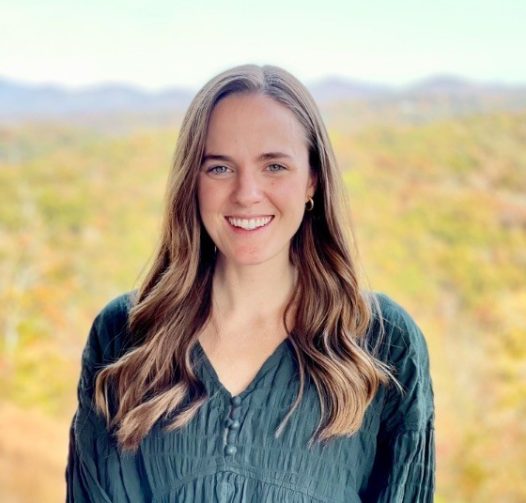
"Things are moving so quick in the AI space. How do you make sure that you're getting that best of breed, but also keeping the long-term vision in mind? I think another important piece is that we're trying to work broadly across the organization as we think about these solutions. So how do you balance the near-term and the long-term?" - Jackie Baker
SFTS-Live From ViVE pt1.mp3: this mp3 audio file was automatically transcribed by Sonix with the best speech-to-text algorithms. This transcript may contain errors.
Intro/Outro:
Welcome to Smart From the Start, presented by care.ai, the smart care facility, platform company, and leader in AI and ambient intelligence for healthcare. Join Steve Lieber, former CEO of HIMSS, as he interviews the brightest minds in the health provider space on truly transformative technologies that are modernizing healthcare.
Steve Lieber:
Hello, I'm Steve Lieber, and I'm delighted to extend a warm welcome to you for this special miniseries broadcasting live from ViVe in Los Angeles, where the energy and excitement are palpable. ViVe 2024 isn't just an event, it's a convergence of minds, ideas, and innovations in health information technology. Over 8,000 passionate individuals have gathered here to experience firsthand the cutting-edge advancements shaping the future of healthcare. From February 25th to 28th, Los Angeles served as the epicenter of digital health, with ViVe leading the charge. We were on the ground to bring you exclusive interviews with the thought leaders, innovators, and decision-makers shaping the future of healthcare live from ViVe. So settle in, unwind, and join us as we explore the business of healthcare and the boundless possibilities ahead. Welcome to live from ViVe 2024.
Steve Lieber:
Hello, I'm Steve Lieber, and welcome to this broadcast. We're coming to you from ViVe in Los Angeles. This is a fantastic event, bringing together about 8000 people to see and hear what's going on in health information technology. So our first guest is Geri Hansen from Nebraska Health. We've got a couple of questions that we're asking our guests. And so let's get started, Geri. So at ViVe, there are a lot of things out here on the floor as these tree shows always are. What are you looking at? What are you here for in terms of the big technology imperatives?
Geri Hansen:
So I think there are a lot of data aggregators. There's a lot of people that are putting out the buzzwords like AI. What I'm really looking forward to is differentiators; what is setting different platforms apart from each other, as well as a level of maturity, and then really truly understanding from a organization perspective what we are needing, and what our roadmaps are. So I'm looking for some alignment in our mission, vision, values, and voice so that way we can roadmap together.
Steve Lieber:
Excellent. One of the use cases that people identify are workforce issues in terms of a challenge. And I know on the Smart From the Start podcast that I do, it's constant in terms of being one of the things that are brought up. So virtual care, ambient monitoring, AI; have all been identified as ways that you can address the workforce challenges and issues. How do you see that fitting in, and are there some examples that Nebraska Health you guys are engaged in?
Geri Hansen:
Yeah, at Nebraska Medicine, we are absolutely looking at virtual nursing, virtual care as a care delivery system. If you look at telehealth, and it has been around for 1959, I believe, so it's not a new thing. That being said, we're in about the third nursing shortage in my two decades career, and I don't see this changing. I mean, it's going to be something that we are going to have to endure. And so looking at what technologies we can use to supplement humans, as well as kind of extend and allow us to work to the top of our scope of license, in the top of our knowledge base, if you will. So we are definitely looking at virtual care for nursing. We are looking at it from a sitter perspective and what I can help supplement our humans there. I think there's also applications into other areas in the industry, like social work or extending hospitalists to other maybe underserved areas. So we're looking at it both internally of what we can do to supplement our staff, but also how can we extend our staff seeing we're in a metro area to other underserved.
Steve Lieber:
That's great. Excellent. So, you know, health care has a reputation of being kind of slow and a little bit behind other industries when it comes to technology. What do you see as risks that we have as a profession and industry, in terms of the sort of hesitancy that we see sometimes with health care and adopting new technologies?
Geri Hansen:
Yeah. So you're absolutely right. We are very conservative group, and that is appropriate, right? We are taking care of patients and errors have big impacts and very human impacts. What we're looking for is evidence and evidence-based practice. And so going out and finding areas that have done really good research, we pilot a lot at Nebraska Medicine. We're soon to open an innovation design unit, which will have patients on it, and that will allow us to gather more data that we can share with other institutions and making it a more safe environment, more evidence-based, and validated.
Steve Lieber:
That's excellent thoughts and advice to follow. Thank you very much, Geri.
Geri Hansen:
Thank you.
Steve Lieber:
We're here with Jackie Baker from Piedmont HealthCare to find out what's going on in our world as it relates to ViVe as well as back at home. So Jackie we'll start out. So a lot of stuff on the floor here in terms of technology; new, old, AI's certainly a big buzzword out on the floor and that sort of thing. So what's your focus in terms of why you're here? What's caught your eye? What are you seeing out on the floor?
Jackie Baker:
So have a big focus in AI for sure. So kind of trying to identify some of the trends in the space. Also trying to sort through the differences and some of the point solutions versus the more developed platforms. And there's been a couple different companies that have caught my eye for sure, but I think trying to get a broad picture and understand where things are moving in the space that will fit into our organizational strategy.
Steve Lieber:
Excellenet. Let me pick up on the point you made about point solutions versus platforms and that sort of thing. Is that part of the Piedmont strategy is to move away from point solutions, or is it still a mixture? Kind of help us understand the strategy part of that.
Jackie Baker:
I would say we're still trying to sort through the right way to go. You know, things are moving so quick in the AI space. How do you make sure that you're getting that best of breed, but also keeping the long-term vision in mind? I think another important piece is that we're trying to work broadly across the organization as we think about these solutions. So how do you balance the near-term and the long-term?
Steve Lieber:
Excellent. Good. So one of the things we talked about before we went on camera was workforce issues; shortage, turnover, burnout, satisfaction, and that sort of thing. Certainly, in the nursing space, a lot of people are talking about virtual nursing and using virtual nursing platforms and AI as a way of trying to get to the point where nurses are working at the top of their license. They're not having to be bogged down by basic tasks that could be handled automatically. How's that factoring into your strategy?
Jackie Baker:
It definitely is factoring into our strategy. I think the pain point with nursing is hard to miss and something that we want to think about. I feel like there are some areas like virtual nursing that have developed quickly, but there's these other coordinating pieces that we're trying to think about bridging together that maybe aren't as developed. So I think definitely part of the strategy, but trying to figure out the broader picture when you've got a bit more focus in some of the physician solutions at the moment.
Steve Lieber:
Gotcha. So where are you in terms of the rate of change? Do you see change happening more quickly? Is there a fast to fail and then move on to the next idea? Or you see a status quo mentality prevailing? What sort of mindset do you find out in the field?
Jackie Baker:
So we are doing some things with a little more of a rapid pace to kind of iterate and stay on top of some of the changes that are happening. But there are, of course, just the natural, large organizational challenges of moving through all of the processes, aligning all the stakeholders. That will create some challenges when you're trying to move as quickly as the market's moving.
Steve Lieber:
Excellent. Great. Thank you very much. We were with Jackie Baker at Piedmont Healthcare. Thank you, Jackie.
Jackie Baker:
Yes, of course.
Steve Lieber:
Now we're talking with William Kim and Daniel Thomas from Regional One Health in Memphis. And where I want to start out with you guys is there's a lot of stuff on the floor here, all kinds of solutions. What's the major thing you're trying to look into? What are you trying to learn? What are the compelling thoughts that you've got as you walk around?
William Kim:
I think my number one focus is to understand where, what I hear about AI on the internet and in different sessions are actually what I'm seeing here with all the healthcare professionals and technology professionals. Specifically, I want to filter out the noise from the truth as much as I can.
Daniel Thomas:
I think it's really about what technology can enable people. We put a lot of technology in front of our hospital and clinic staff over the last 15 or 20 years. How do we make it usable? How do we make their job better? And AI seems to be the next step to doing that.
Steve Lieber:
Yeah. Before we came on camera here, we were talking about the challenges with workforce. And you know, everybody's got in terms of burnout, satisfaction, turnover. What sort of things are you thinking about in terms of leveraging virtual care, smart care, and that sort of thing to help address some of those sorts of issues?
William Kim:
So what I envision is that AI, the technology with the correct implementation, could actually augment the workforce to make their job much easier. I think right now, the doctors and nurses are doing a lot of documentation and doing a lot of data entry, which really isn't high value compared to the actual patient-facing patient care. And to me, if I could help with that, that could be very significant value.
Daniel Thomas:
It's bringing the nurses back to the bedside and away from the computer, and them not worrying about the rolling cart or going to the nurses' station, but being able to go in and care for that patient and not worry about all the things on the back end that they have to do.
Steve Lieber:
Yeah, we hear that a lot. One, working at the top of your license. Let's get rid of those tasks that they shouldn't be involved in. And these are things that can really enhance satisfaction, which I'm sure is going to have an impact in terms of burnout and turnover. So last sort of question and then a follow up to it, health care is traditionally kind of slow in terms of adopting new technologies. We've been criticized for years about being behind the curve in terms of using technology. What are you guys thinking about? What's in your strategy in terms of perhaps making a change and not being so slow to adopt and react?
William Kim:
You know, I think that's the old healthcare IT, that's the old healthcare organizations. I think the most health care have learned from slow adoption in the past, you end up with technological debt. So I think a lot of them, a lot of the organizations they hear about AI and the disruption it could potentially cause, I think they're wide awake. They're trying to figure out, Okay, how do we make sure we don't fall behind and create additional technological debt? Because the reality is, if you're not moving forward, then you're actually moving backwards.
Daniel Thomas:
Well, and the other thing about this is how do you get the patient involved in their care? Because that experience, when they're involved, it makes the nursing easier. It makes the provider services easier. It makes the entire experience easier. It's not just about when they can put their hands on them or what they don't have to do, but how do you make it easier on the patient side when they need care and where they need?
Steve Lieber:
Yeah, patient experience has obviously become a significant part of our conversation. Now you guys are in somewhat of an older facility. So how are you going to manage that with the challenges of an older facility in new technology?
William Kim:
Well, I don't see the older facility being an obstacle to implementing, let's say AI. Whether you have a building or a tent, you could still implement AI, right? So I think it's the whole mindset of, I can do this because I have the technology and I have the will to do it. And in all honesty, our patients, our caregivers, our employees all deserve much better work experience and patient care experience. And I think this is a really good way to do it.
Daniel Thomas:
And as you look at healthcare facilities, at some point in life cycle, everybody has an old facility and they move to a new facility, and being ready to take the technology that is there now and visualize the future, what it's going to look like, and technology proof anything you do new is critical. You've got to be able to support that.
Steve Lieber:
Yeah. That thinking ahead, developing the strategy. Because you're right, facilities become outdated and you do have to replace them. But thinking about it, understanding what's going on out here on the floor, the technology, and bringing that into your strategy and your thinking about the facility so that when you do decide to go that route of building new, you're ready for it. Guys, thanks so much for joining us.
William Kim:
Thank you.
Intro/Outro:
Thanks for listening to Smart From the Start. For best practices in AI, in ambient intelligence, and ways your organization can help lead the era of smart hospitals, visit us at smarthospital.ai, and for information on the leading smart care facility platform, visit care.ai.
Sonix has many features that you'd love including transcribe multiple languages, collaboration tools, automated subtitles, share transcripts, and easily transcribe your Zoom meetings. Try Sonix for free today.
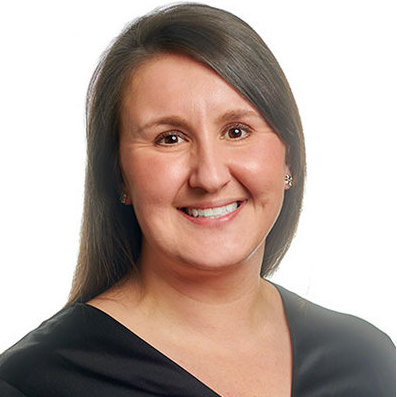
"The most valuable asset that any healthcare organization has is the people. So when you're thinking about labor challenges , you're thinking about burnout and all of these types of headlines that are making the news, technology or an enabling type of fabric can help, it could help do or to decrease burden or decrease anxiety or add efficiencies. Thats what we're seeking." - Rebecca Stametz
SFTS-Live From ViVE pt2.mp3: this mp3 audio file was automatically transcribed by Sonix with the best speech-to-text algorithms. This transcript may contain errors.
Intro/Outro:
Welcome to Smart From the Start, presented by Care.ai, the smart care facility, platform company, and leader in AI and ambient intelligence for health care. Join Steve Lieber, former CEO of HIMSS, as he interviews the brightest minds in the health provider space on truly transformative technologies that are modernizing health care.
Steve Lieber:
Hello, I'm Steve Lieber, and I'm delighted to extend a warm welcome to you for this special miniseries broadcasting live from ViVe in Los Angeles, where the energy and excitement are palpable. ViVe 2024 isn't just an event; it's a convergence of minds, ideas, and innovations in health information technology. Over 8,000 passionate individuals have gathered here to experience firsthand the cutting-edge advancements shaping the future of healthcare. From February 25th to 28th, Los Angeles served as the epicenter of digital health, with ViVe leading the charge. We're on the ground to bring you exclusive interviews with the thought leaders, innovators, and decision-makers shaping the future of healthcare live from ViVe. So settle in, unwind, and join us as we explore the business of healthcare and the boundless possibilities ahead. Welcome to live from ViVe 2024.
Steve Lieber:
We're talking with David Graham at LifeBridge Health. And so, David, their first question to you is there's a lot of stuff going on on the floor here, a lot of buzz about new products, a lot of people that we've known for years and all. What are you seeing out there? What really brings you and what are you looking for?
David Graham:
You know, my main objectives of being here really is looking at the AI space. And my look at the AI space is across every aspect of clinical care and clinical workflow and process. I'm looking for ways not only that we can improve the efficiencies of our EHR, our documentation, our summaries within the chart, how we use the tool, but also how can we capitalize on other clinical workflows and processes. People think as a physician, I'm focused just on the docs and what I can do for the docs. It's really about the whole clinical care team. What can we do for our nurses? What about a respiratory therapist or a physical therapist? How can we all become parts of a greater utility and efficiency which just gets us really to the ultimate goal, which is better efficiency for our patients, better outcomes for our patients, which can lead to better financial outcomes for us?
Steve Lieber:
Great. Lead into my follow-up question, which is about workforce. And obviously, in hospital and healthcare settings, clinical workforce is what we're all focused on. Yeah, support team is absolutely critical, but dealing with shortages, turnover, satisfaction, burnout, all of those sorts of things. What are you thinking about at LifeBridge Health in terms of how you're going to use AI and virtual care to address some of those workforce challenges and obstacles that we're dealing with?
David Graham:
We see it as a really valuable tool, essential for our workforce challenges. We know we're not going to, even if I could get the funding to go out and hire ten new people, I wouldn't be able to find them no matter what they're looking for, Steve. And so really, it's about extending our workforce. And I see that as positive in two ways of extending our workforce. It's using virtual care to maximize the efficiency and effectiveness of a nurse or a physician, and for that matter, in what they're doing. But it's also keeping people in the workforce longer. If I can take a semi-retired nurse who maybe has hip or knee issues and can have her in a room where she can manage or he can manage many patients in the virtual setting, we've extended their likelihood of being happy with their job. We've extended their ability to be a part of our workforce, and we broaden the care that we can give for our patients. So it's really, it's an extension of our existing workforce.
Steve Lieber:
Yeah. You're mentioning that in terms of extending the workforce and creating new situations, new environments for them to work in, and the idea of a command center where you can monitor multiple patients. And then what I'm hearing in talking with some folks around here is sort of the overlay of AI onto that to start giving us meaningful alerts and awareness so that one person can watch a whole lot of patients because there is a machine assistance. And I think we got to think of it that way. It's not a replacement, right? It's an assistant. And it really does allow us to extend our expertise over a larger population.
David Graham:
Right. And I think that's really valuable, not just in a nursing statement, a physician setting. If one of our ICUs is 50 miles from another, how can we extend our physicians in that capacity and that command center as well? How do we really use the AI to lower the cognitive burden, which goes along with documentation burden? People think it's just a number of clicks you have to make; that's the burden. It's a cognitive burden of having to see all the data and figure it out. Let's let AI summarize that for us. Put in front of us: What are potential actions? I'm always going to be the human in the loop. We always need that human.
Steve Lieber:
We always got to have that piece.
David Graham:
How do we make it so that we're increasing our efficiency and increasing our effectiveness, which I'm always going to measure in patient outcomes?
Steve Lieber:
Yeah, that's really great insight. And so what's the reaction you're getting out on the floor in terms of the technology that you're talking about? I can remember, you know, back in the day when we were bringing out electronic medical records and the reaction physicians in particular, and nurses too gave it to us in terms of that rollout. One, we've learned and, you know, these are not technology or IT projects; they are full team clinical projects. Get them involved at the beginning. But what are you sensing in terms of the workflow and how they're reacting to this?
David Graham:
I'm seeing a lot of interest in it because people see and understand it's what we've been trying to get to. You know, after being so frustrated by putting those electronic health records in, people were saying, Why can't it give me the data that I expect? You've got all this data in there. Why can't it give it to me? Now they're seeing an opportunity to get it delivered to them with insights. They're excited for it. I can't keep a door strong enough to keep people from breaking it down on the nursing side and the physician. Provider side, wanting to have these tools, and wanting to work with us to find more. I'm having people coming to me saying, I'd love to go to a meeting like that because I'm going to wander around the booths and get everybody's cards. So there's excitement.
Steve Lieber:
Well, and one of the things I've heard in talking with people like you in these conversations is once you've introduced some of this technology, it's: you're not taking this away. Is that the reaction?
David Graham:
It is, but in a positive way. You know, once you put an electronic health record, you go back a year later and tell them you're going to take it away. And they say, No. You know, they didn't want to get to that point.
Steve Lieber:
There's a learning curve.
David Graham:
There is. They want to get it in and they want to do it right away. And they'll never give it up. They'll never give it back. You know, there is the fact of safety. People are worried about how we're going to make sure that we've got the right tool that's really been vetted, that has the right lack of bias and everything else. But once they get using it, then they love the fact that they can be more efficient. And really, what we're giving them is time back with a patient. And that's the key.
Steve Lieber:
So are you sensing that we're moving a little quicker in terms of technology in health care? We've often been criticized as laggards compared to other industries and that sort of thing. Are we kind of getting past that mentality of, Well, status quo will be okay for a while? Can we pass?
David Graham:
I think we are. I think we're getting to the point where for so long we've done things in such a waterfall-slow, methodical, sequential way. We can do things in parallel, we can do things in a much more agile way and get to the end result quicker. And if we don't get to the result we need, fail fast and move on to the next. And that's, I think, a change in mentality health care's needed for 30 years. I think we're getting there. I think the advent of the tools that allow us to make that paradigm shift are a big advantage. So it's melding those together and let's get it better for our patients.
Steve Lieber:
Excellent. We're talking with Doctor David Graham, LifeBridge Health. Thanks for joining us.
Steve Lieber:
We're here now talking with Rebecca Stametz. Becky, good to see you. She's at Geisinger. And so we want to start out in kind of getting your impression of what's going on on the exhibit floor here. A lot of stuff, a lot of activity. This is the first day of ViVe conference when we're talking and doing this recording. So what brought you here? What are you seeing?
Rebecca Stametz:
Happy to be here. So first thanks, Steve. Nice to see you. Yeah. ViVe's an exciting time. Just got here last night, oh, actually two nights ago. And this is the first day on the floor, so. Yeah, I mean, there's a couple big themes that I'm picking up on as I kind of maneuver and have meetings and look at the show on the floor. One is absolutely AI. I'm sure that is no surprise to you or anyone who is watching this podcast prediction, making smart decisions, whether it's generative AI, right, creating new content, or NLP, or different types of just smart ways to do things. This is about prediction. This is about personalization. So I'm seeing that. I'm also not seeing it all on the clinical side. I'm seeing revenue management. I'm seeing HR. So we're thinking about front stage. We're also seeing I think a lot backstage.
Steve Lieber:
Well to achieve that efficient, effective system you got to look all over the place. It's not just on the clinical side.
Rebecca Stametz:
Yeah, absolutely. These smart technologies, right, or these emerging technologies is going to help every single person in some form or fashion, work smarter, work better, maybe more efficiently, provide those experiences. And I think that's what we're seeing here today. That's one big theme. The other big thing is just around care at home. I'm seeing that, right? Whether it's a telemedicine type of purview or that ranging definition, I'm seeing a lot of those types of aspects. How do you provide virtual care; virtual care in-patient, virtual care outpatient, asynchronously, synchronously, through remote patient monitoring, you're seeing those types of themes pop up.
Steve Lieber:
Yeah. Well, in the geography Geisinger works in, that's probably very important to you guys. Just thinking about Pennsylvania and where you are, you've got a lot of territory you're covering not all of it by far being urban.
Rebecca Stametz:
Yeah, absolutely. I mean, I think at Geisinger, especially from an innovation perspective or just a core mission, we are about making better health easy, and we want to be able to provide the best experiences for anyone who seeks our care. But ultimately, also we want to be able to provide the best working environment and the best types of tool sets for the people who are providing those types of cares and services. So it's really coming together for me. Back to virtual care. Absolutely. When you think about ease of use and you think about those types of better experiences, I think the more that we can do for people at home, in the places where they're most comfortable and not having to drive maybe, is optimal.
Steve Lieber:
Yeah. So you talk about the environment in the institution and the people that are involved there. Everybody I talk to is, you know, fairly close to the top is talking about workforce issues. We got shortages, we got burnout, we got turnover, we got dissatisfaction. I mean, there's just a lot that we need to focus on. What are some of the thinking at Geisinger in terms of how you're dealing with those workforce issues?
Rebecca Stametz:
I think about this day and night, Steve. I mean, the most valuable asset that any healthcare organization has is the people. That is it, right? So when you're thinking about labor challenges, you're thinking about burnout and all of these types of headlines that are making the news, technology or an enabling type of fabric can help, it could help do or to decrease burden or decrease anxiety or add efficiencies. Right? That's what we're seeking. But it's not really always just about that technology. The technology is not a strategy, right? It is a way to enable a broader strategy. So I think the key is really thinking about what these new care models could possibly do, thinking about inpatient nursing, for example, on providing maybe more efficiency or providing decreased burden or the joy of medicine, quite frankly, in some of that day-to-day work.
Steve Lieber:
Yeah. Trying to get to the point where we have everybody working at the top of their licensure, taking away the tasks that ought to be handled either automatically or by a different degreed or licensed individual. And there are, there are workflow processes that we need to address, as well as some technology that we can bring into it. You sit on our advisory panel for New Smart Hospital Maturity model that we just announced this morning at ViVe. And so give us your thought in terms of what the future might look like? What do we need to head towards? What do we need to do to? Help folks understand the challenges and the opportunities of getting to a better place in terms of how we deliver care.
Rebecca Stametz:
Yeah. I mean, when you think about an independent type of model, right, whether that's smart hospital or whether that's other domains, it's always valuable for people like me in my position or my counterparts, whether it's nursing leadership or IT leadership or facility leadership to have an independent view on what could be best in class, what type of decision should be made, what is in and out of scope, and there's just a bounce off our own ideas. Every type of situation is going to be different. What Geisinger is potentially doing as it relates to either modernizing or building new facilities, is going to be different than the other types of people who may have access to these types of artifacts. So I'm looking forward to it. I think it's valuable. I think from a smart hospital facility, it's a big portion of our work. Understanding, again, back to your point on labor challenges or nursing efficiencies or working within that space, we want to make right decisions that benefit our patients, that benefit our operators, that benefit our leadership, so that we could enable better care.
Steve Lieber:
Excellent. Thank you, Stametz from Geisinger. Sure. Appreciate you being with us today. Thank you very much for joining us.
Rebecca Stametz:
Thank you.
Steve Lieber:
We are with Atul Kanvinde from Shepherd Center. Atul and I've known each other for quite some time over the years in the various roles that we've been in. And so I want to start out, Atul, in terms of we're here at ViVe, there's a lot of stuff going out here on the floor behind us. What's the big imperative that you are thinking about as you came to ViVe this year?
Atul Kanvinde:
This is my first ViVe, so I'm actually fortunate to come to LA and to ViVe. I'm impressed. I think the smaller community conversations are very impressive versus the largeness of other conferences. And I get to talk with Steve and get to see and talk very intimately on things we are suffering with or struggling with. I'll see, I think the day tomorrow will be a good idea to understand how this fits into the larger scheme of things. But so far, so good. I'm enjoying it.
Steve Lieber:
Excellent, good. So before we came on camera, we were talking about ambient technology and some of the issues that you're thinking about at Shepherd Center. And so tell us a little bit about where you're going as you're thinking about the ambient technology, virtual care, and that sort of whole area of what we're calling smart care teams or smart care facilities.
Atul Kanvinde:
Thanks for asking. So I'm in this role for just two months, and before I joined, we had implemented a camera for observing patients, which is good. But then as I was trying to understand the full ecosystem, I realized that the way it was installed or set up may not fit us for the long term, the other needs. And I think we have talked about the word platform, and then it puts us in a difficult state to make the point again to clinical operations, saying, Well, we may have to need another system or another camera for the long-term needs of virtual care, remote monitoring, for risk, patient engagement. And I think the idea is to look at the holistic picture. I'm trying to use less of the word use cases intentionally because it puts us in an unintentional silo, because there's an answer to a use case. But when we look at the full vision where we want to be? Where, can I remotely do something because I cannot be physically present? What are the needs? What platform will fit the needs? Can we make it efficient and then get the results from it? So I think that will help me set the tone, if you will, a roadmap of sorts for the next three years so we can be not painting ourselves in the proverbial corner.
Steve Lieber:
Yeah. So you know historically the RAF-1 healthcare's been, you're slow to adopt, you know, you're behind the curve and that sort of thing. Is it any different today? Are people recognizing a greater imperative that status quo won't work and we need to move a little faster? Or are we still challenged with some of the same issues that we always have?
Atul Kanvinde:
I remain skeptical, and I say this because maybe it will be this time around we'll make a difference. But we have heard this before. We have talked about this for 10, 15 years. I think some people are saying that AI or this capability to use artificial intelligence to make things better, is creating a compelling reason to truly find opportunities. In some capacity, as an engineer, I look at this as automation. When you write an algorithm, it is automation, but when you make it intelligent, I don't need to program it, now I'm seeing potential. So I think skepticism is acceptable, but we cannot just not do anything. So I'm hopeful. But we'll have to see.
Steve Lieber:
Yeah. Well as you said, you know, we've been down these paths before and we get excited and we think there's going to be transformational change. And it takes a whole lot longer than we believed it should have ought to. But we're also in an industry where we got to be careful.
Atul Kanvinde:
That is true. And that may be the reason why we do not adapt quickly because of the risk.
Steve Lieber:
That's right. Good. Atul, thanks so much. It's great to see you.
Atul Kanvinde:
Thank you.
Steve Lieber:
And thank you for joining us.
Atul Kanvinde:
Thank you.
Intro/Outro:
Thanks for listening to Smart From the Start. For best practices in AI and ambient intelligence, and ways your organization can help lead the era of smart hospitals, visit us at smarthospital.ai, and for information on the leading smart care facility platform, visit care.ai.
Sonix has many features that you'd love including share transcripts, upload many different filetypes, enterprise-grade admin tools, powerful integrations and APIs, and easily transcribe your Zoom meetings. Try Sonix for free today.